Disaster Management · Cedar Rapids, Iowa
City of Cedar Rapids Disaster Recovery Management
Largest U.S. natural disaster at the time, by FEMA PA
Days to stabilize hundreds of City facilities
Saved negotiating contractor agreements
FEMA project worksheets produced
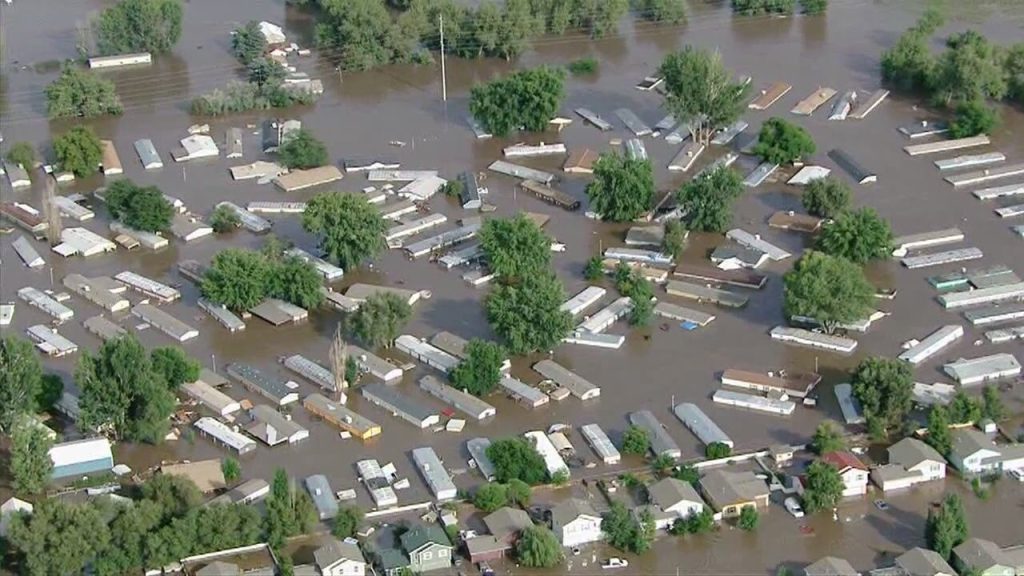
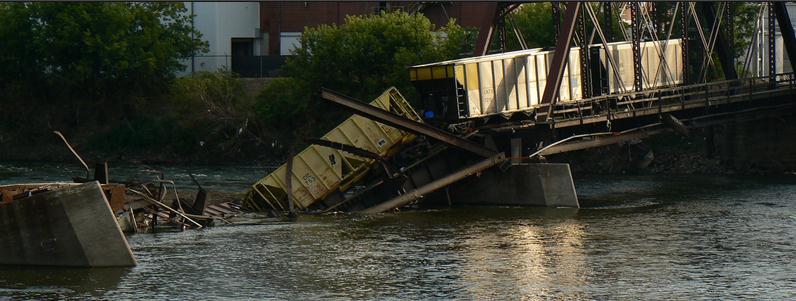
On June 13, 2008, massive flooding left homes and buildings in Cedar Rapids, Iowa submerged in Category 3 blackwater. By the amount of FEMA Public Assistance made available, it was the fifth-largest natural disaster in U.S. history at the time. It is the sixth-largest today.
BASE Tactical worked with the City on its billion-dollar recovery. President John Levy advised City officials on emergency repairs and stabilization of hundreds of damaged facilities. Our team oversaw remediation, coordinated environmental experts and structural engineers, and set the repair-cost estimating protocols used in FEMA project worksheets.
We also analyzed FEMA’s project worksheets to find where scope of work had been overlooked. The accuracy of those worksheets decides how recovery dollars are allocated. With our support, Cedar Rapids rebuilt its downtown.
How the recovery unfolded
- Phase 1
Temporary operations & remediation
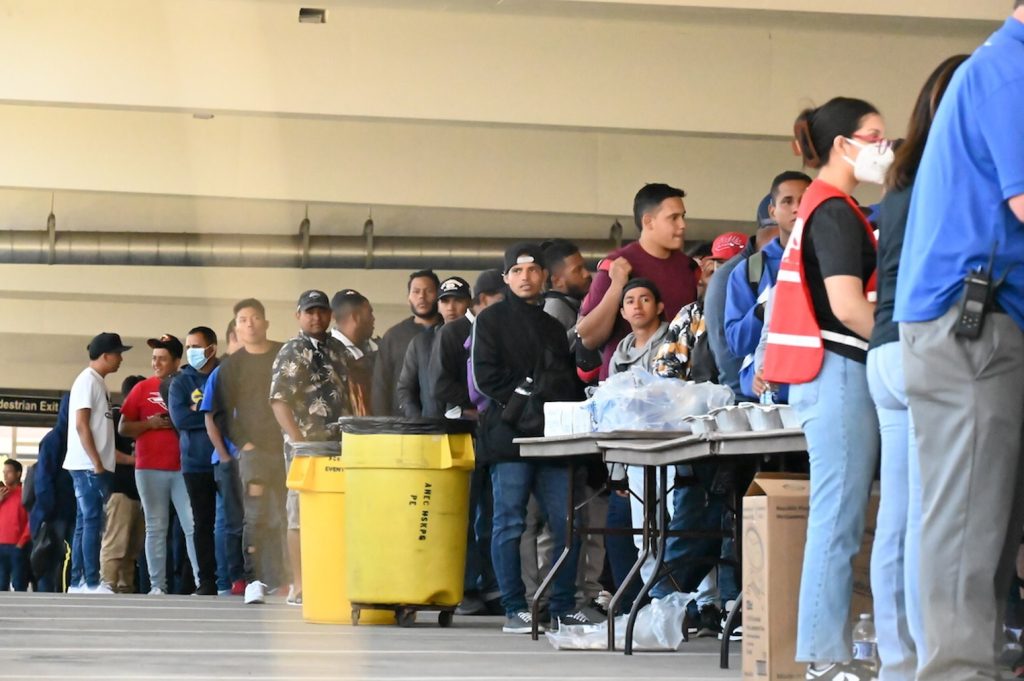
In the weeks after the flood we found temporary homes for displaced operations and staff and helped restore critical services. That meant moving Fire Administration and the main fire station, moving records out of a flooded City Hall, setting departments up in rented trailers and finding a site for the animal shelter. We directed stabilization of damaged facilities, from environmental protocols to temporary power and temperature control. We also wrote the occupancy protocol for City buildings: environmental testing, monitoring and re-inspection, then approval by the Linn County Health Department and the City’s safety director. The City still uses it before any building is occupied.
- Phase 2
Repair estimates, FEMA scope alignment, environmental & special projects
Successful outcomes start with a qualified expert opinion. We helped select the experts who set facility repair costs, which became critical to making sure FEMA’s Public Assistance teams captured every cost. We then trued up FEMA’s estimates so the right scope and dollars were obligated in the project worksheets, including codes and standards and hazard mitigation.
- Phase 3
Construction management
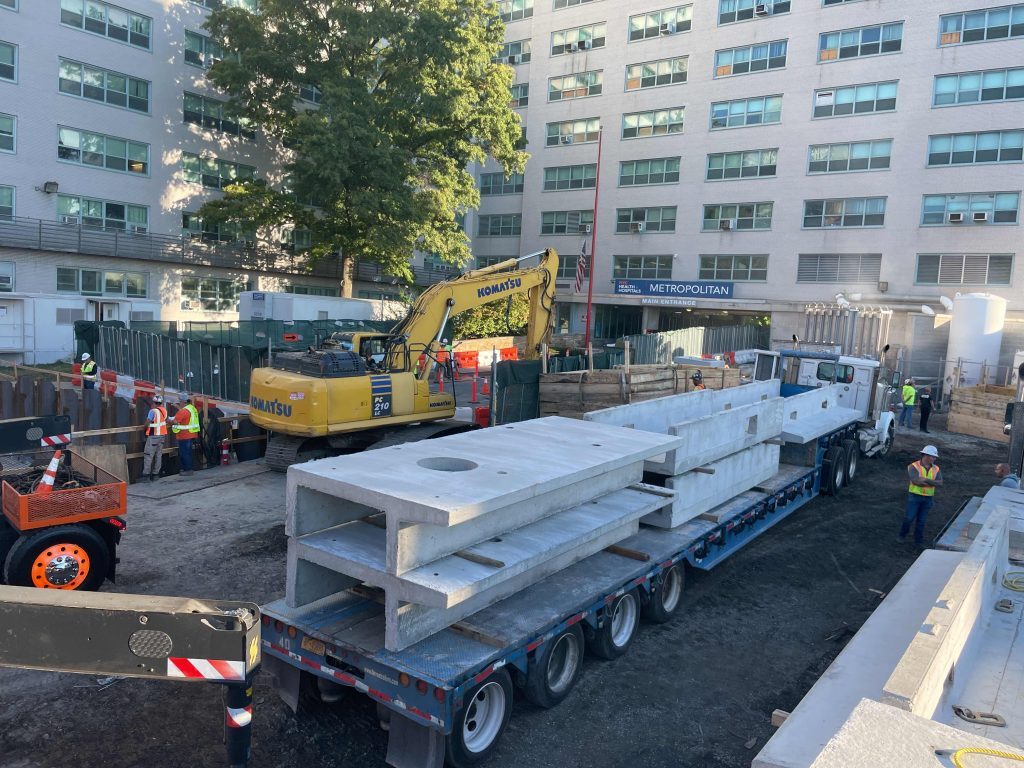
We managed reconstruction for many quick-start buildings, covering architect selection, Iowa Public Improvement requirements, quality control and completion dates. Each project had its own timeline built around the facility’s use, sustainable upgrades, cost and insurance requirements, plus a contingency plan. Following City Council’s direction to rebuild "better than it was," we applied a triple-bottom-line approach: natural lighting, green roofs, rainwater retention, solar power, better insulation and greener materials, with every facility considered for LEED certification.
The silver lining in every disaster is the chance to make improvements. Cedar Rapids is recovering in ways no one anticipated before the flood.